Wellness and Leadership Assessment
We offer two recognised assessments used to evaluate the leadership potential and motivational drivers of our clients.
Do you want to know and understand yourself better?
- Why do you think and act as you do?
- What really motivates you?
- What kind of leader are you?
- Why do you struggle with confidence?
- In what environment will you be most likely to thrive?
- To know your levels of personal gratification, self-esteem, self-worth, self-efficacy and purposefulness.
We offer two assessments:
Neuro-Diagnostic PNI
The outcome of the analysis of the diagnostic will help us better understand which areas we need to focus on during our executive sessions.
The diagnostic provides an accurate snapshot of all dominant drives, fears and potential limiting beliefs, as well as profiling the individual in terms of the following levels:
- personal gratification
- self-esteem
- self-worth
- self-efficacy
- purposefulness
- potential in terms of leadership and entrepreneurship.
Inventory for Work Attitude and Motivation
(iWAM)
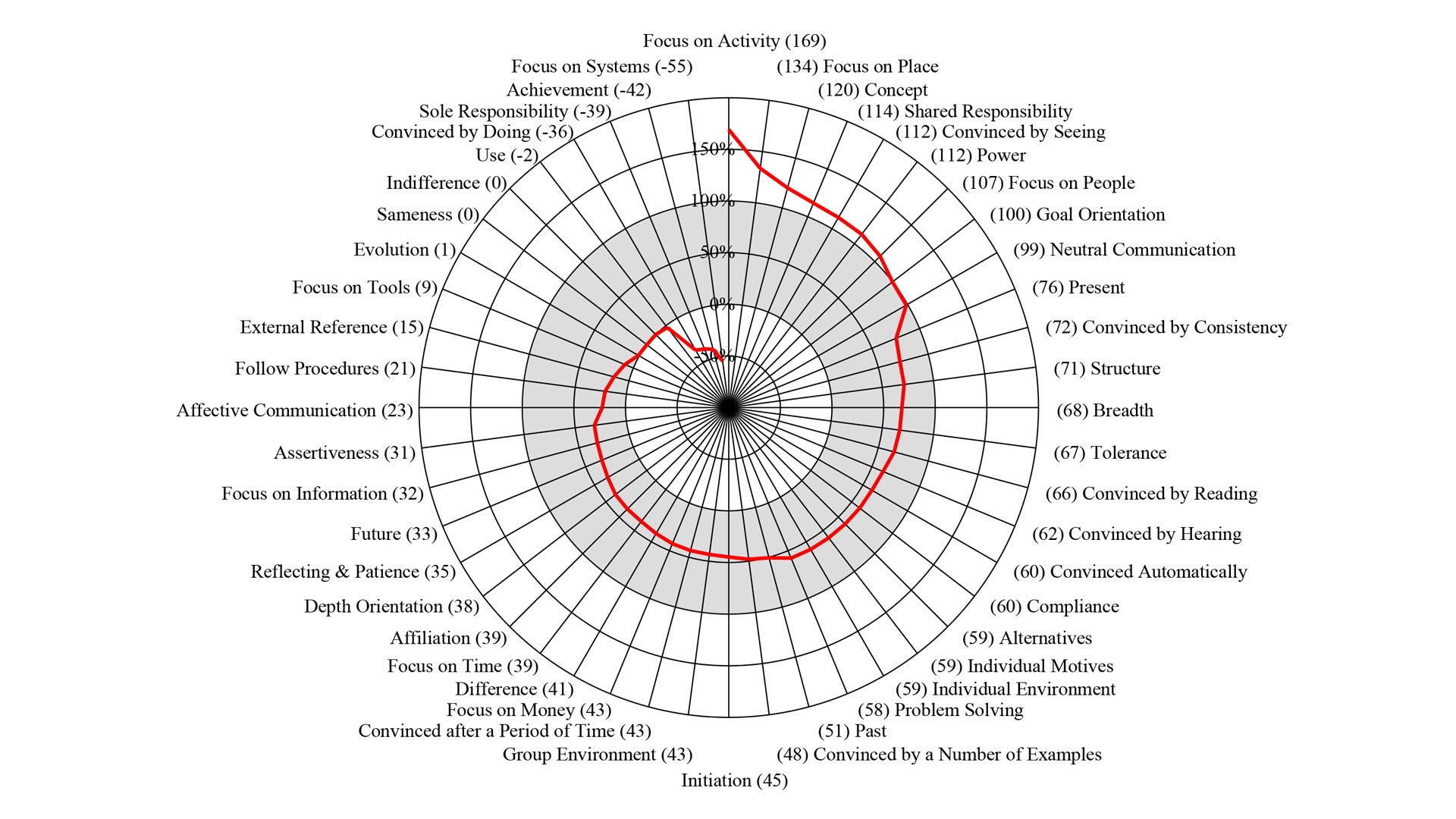
Each person has a unique fingerprint of motivational and attitudinal patterns. For each pattern measured, iWAM recommends motivational language to be used – or avoided – for effective communication.
The outcome of the iWAM assessment will help us to better understand which areas we need to focus on during our executive sessions with the client.
Sylvie Riou Marillaud - Artist, Founder and Owner of the RM Art brand
L. De Klerk - IT Executive in the Banking Industry
A. Moodley - Client Relationship Manager in the Telecom Industry
I. Leach - CTO in the Insurance Industry
Frequently Asked Questions
What is Psychoneuroimmunology (PNI)?
immunology.
- Psychology relates to the mental and emotional state of a person.
- Neurology relates to the anatomy and functions of the nervous system.
- Immunology relates to the branch of biology that covers the study of the immune system.
In other words, Psychoneuroimmunology is the science that demonstrates how the state of a person affects the person’s neurology, which itself impacts on their immune system. We can also describe Psychoneuroimmunology as the science behind the chemistry of the brain that describes the body and mind connection.
Where does ‘Psychoneuroimmunology’ (PNI) come into the workplace?
What does the cost include?
Is it compulsory to complete the Diagnostic PNI test before starting a coaching programme?
Nonetheless, it is also perfectly acceptable to start with one of our themed programmes, whereafter the diagnostic can be completed to identify specific areas to focus on next.
“Time to Be”
Tell us more about you and your needs
After completing the contact form below, we will call you to schedule a free call. Together we will explore your options and agree on the next step.
Our Process
1.) You fill out the contact form or call us if you prefer.
2.) Together we set up a meeting – online or face to face to discuss your needs and scope the work
3.) After the meeting, we send you a proposal and may have another call to discuss its content.
4.) You let us know what you want to do next.